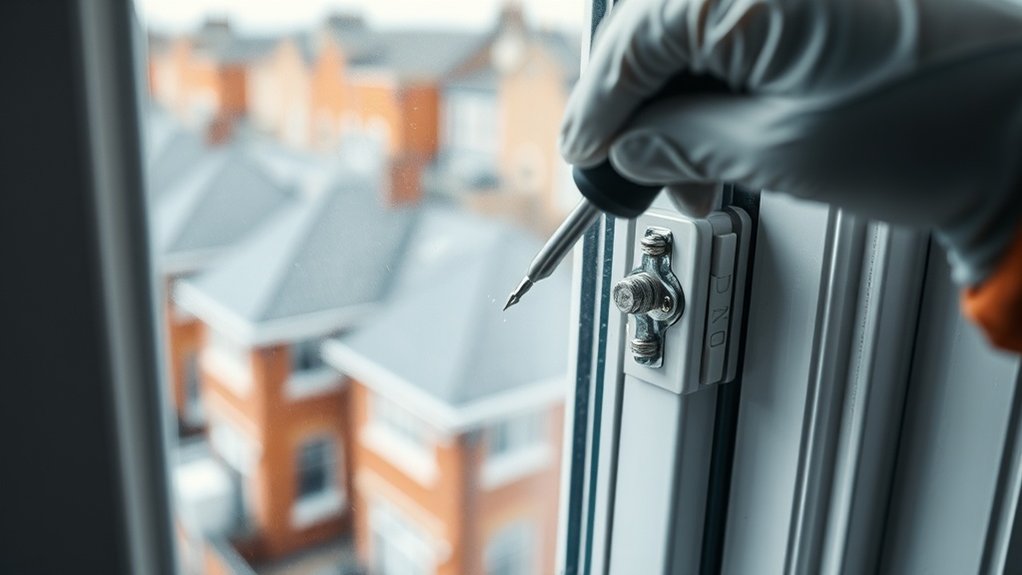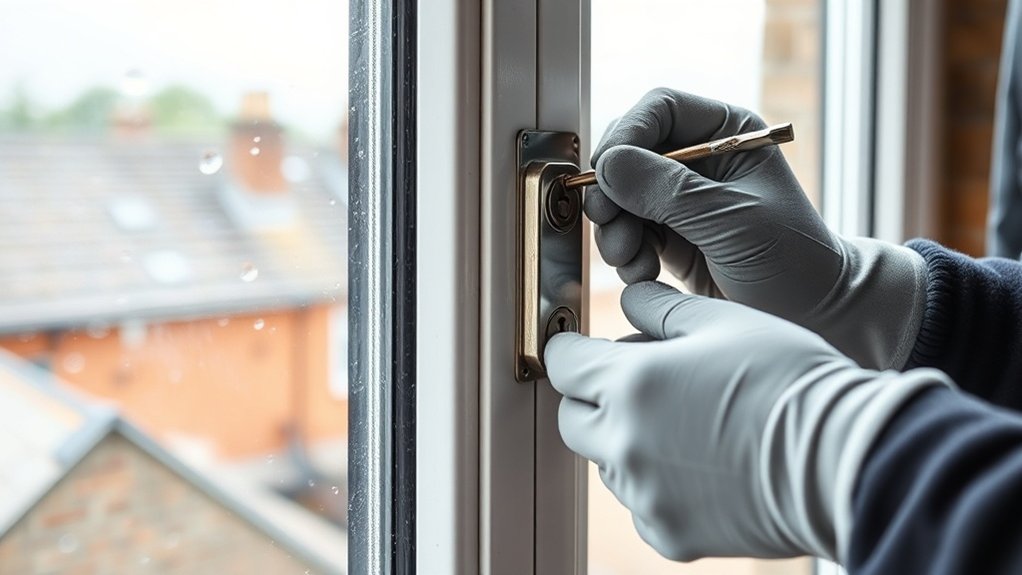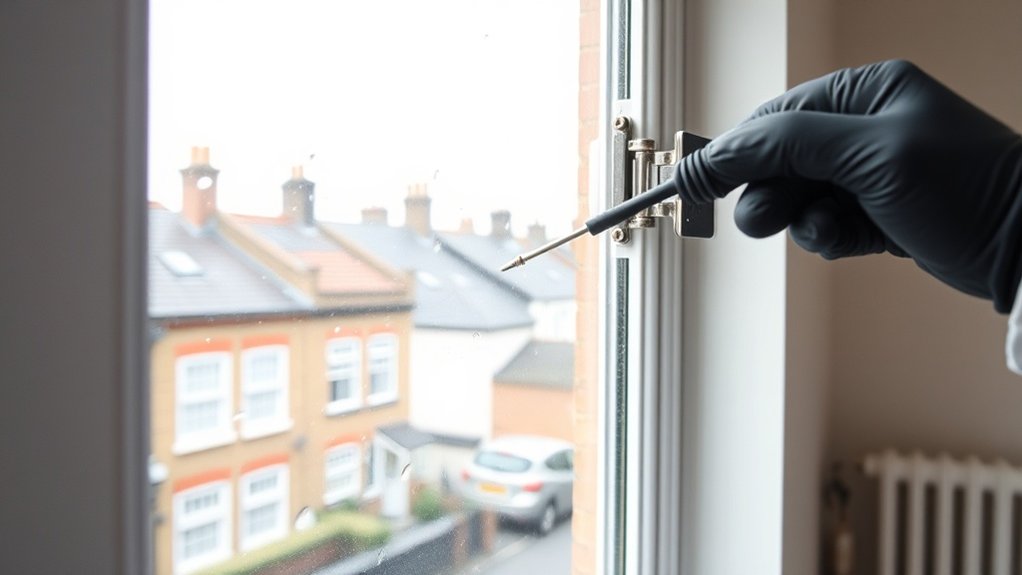
Booking window repair in Addlestone covers far more than freeing a jammed casement or swapping a misted pane. A proper repair brings back the three things a window is meant to deliver: a weather-tight seal, a lock that holds, and glass that keeps the heat in. Our glaziers square up frames, adjust hinges and locking gear, fit fresh gaskets, replace failed sealed units and, where it makes sense, upgrade to low-E argon-filled glass or add secondary glazing. We also trace draughts, deal with condensation and renew worn hardware so the window lasts and still meets Building Regulations. The sections below walk through the options and what each is likely to cost.
Key insights
- Most window repair jobs in Addlestone involve hinges, handles, locks, perished seals, misted double glazing, draughts or dropped sashes on uPVC, timber and aluminium frames.
- A simple uPVC hinge or handle repair usually comes in around £60 to £120 a window; a replacement misted unit is typically £120 to £250 depending on size and spec.
- Repair or replace should be decided from a condition survey, moisture readings and a 20 to 30 year cost comparison, not from how the window looks today.
- Energy upgrades can be built into a repair: low-E argon-filled glass, warm-edge spacers, new compression gaskets and locks adjusted for even pressure.
- Ask for an itemised quote that splits labour, materials and access from optional extras such as films, secondary glazing or colour-matched hardware.
Window Repair in Addlestone: What It Actually Covers
A window is a system of frame, sash, glass, seals and hardware, and a good repair treats it that way. On a typical visit in Addlestone we re-square dropped sashes, renew hinges, balances and gaskets, and reset the locking points so the sash pulls up tight against the seal. Where a sealed unit has failed or a pane is single-glazed and losing heat, we swap it for a modern insulated unit that cuts both heat loss and traffic noise.
Repairs are also a chance to improve how the window looks. Slimmer sightlines, frames resprayed in a matching colour, or handles and stays in brushed or black finishes all fit within a repair budget. For privacy or solar control we can glaze in decorative glass: etched, tinted, laminated or patterned units. Every job finishes with renewed perimeter sealant and gaskets, so the frame stays rigid and weather-tight for years rather than months.
Common Window Problems in Addlestone, KT15 Homes
Windows in Addlestone rarely fail because the frame itself has reached the end of its life. The usual culprits are damp air, airborne grime and the constant expansion and contraction that comes with British weather. In double glazing the edge seal gives out first, the argon leaks away and moisture creeps into the cavity. Timber frames take on water through cracked paint, swell, lose their putty and eventually rot at the sill and the glazing beads.
uPVC and aluminium suffer in other ways. Gaskets shrink and pull back from the corners, sashes bow in the sun, and hardware drifts out of line as the building settles. Even well-meant additions such as solar films can cause thermal stress cracking if they are put on the wrong glass type or on a unit with an existing coating.
Sorting these faults properly takes a careful diagnosis, materials that are compatible with what is already there, and a method matched to the age and construction of your property.
Early Signs Your Addlestone Windows Need Repair
Spotting trouble early is as valuable as knowing what causes it. The signs are usually small and easy to miss, but they show that a window in a Addlestone, KT15 home is losing performance well before anything breaks.
- Cold spots and faint draughts – Run the back of your hand around the frame on a windy day; an infrared thermometer will also show uneven surface temperatures where a seal has failed.
- Misting between the panes – Fog or water that will not wipe away means the sealed unit has blown and is no longer insulating.
- Stiff sashes and warped frames – A casement that catches, a sash that drops, or a lock that needs forcing all point to movement in the frame or worn hardware.
- Flaking paint and cracked decorative glass – Peeling coatings, faded films and hairline cracks mean the protective layer is breaking down and water is more likely to get into the frame.
When to Repair vs Replace Addlestone Windows
The repair-or-replace question for a Addlestone window comes down to three steps. Start by establishing how far the damage goes across the frame, glass, seals and fittings. Next, compare the full cost of each route over the life of the window, counting materials, labour, future maintenance and how long each option should last. Finally, weigh the energy efficiency outcome: heat loss, air leakage and condensation behaviour, so the option you choose pays back over time rather than just today.
Assessing Window Damage
A cracked pane or a rattling sash can feel like an emergency, but deciding between repair and replacement in Addlestone starts with a methodical check of structure, performance and safety. We want measurable findings, not a gut feeling.
-
Glass condition – Look for cracks, misting from a failed seal and chipped edges. Often a new sealed unit or a solar film will restore performance without touching the frame.
-
Frame and sash – Push a probe into timber to find soft rot; check uPVC and aluminium for bowing, corrosion and failed corner welds that weaken the frame.
-
How it operates – Open, close, lock and set the night-vent position. Note where draughts come through, where gaskets have perished and how much play there is in the hinges.
-
Surface and surroundings – While cleaning, map scratches, coating failures and pollution staining, which can point to deeper deterioration beneath.
Cost-Benefit Considerations
Energy prices and planning restrictions both push the decision, but it should rest on measurable value over the life of the window rather than instinct. Build a rough total cost of ownership over 20 to 30 years: the upfront bill, how often maintenance will be needed, what is likely to fail next and whether future regulations could force further work.
For period homes in Addlestone, treat heritage character as an asset with a value. Keeping original frames or leaded lights supports rental income, resale price and planning flexibility. Set that against the payback period of a full replacement once you include scaffolding, awkward access and the disruption of having rooms out of use.
A condition survey with moisture readings and frame-section checks will usually tell us whether replacing selected components can deliver most of the performance of new windows at a fraction of the price.
Energy Efficiency Impact
A lifecycle cost model is only useful if it reflects how much energy each window actually loses in a Addlestone, KT15 property. Begin by estimating U-values, air leakage and solar gain, then set those figures against your heating pattern and the local climate.
Repair is the right call when targeted upgrades can close the gap without spoiling the look of the window or breaching conservation rules. Replacement is justified when the frame can no longer be made airtight or will not hold modern glazing.
- Glazing – Fit slimline double glazing or secondary glazing to keep period sightlines while cutting heat loss.
- Seals – Add compression seals and overhaul sashes to reduce air infiltration.
- Frames – Check for thermal bridging; reinforce or line the frame internally where needed.
- Controls – Add trickle vents and shading to manage condensation and solar gain.
How Much Does Addlestone Window Repair Usually Cost
Repair prices across Addlestone depend on a handful of practical factors: the frame material (uPVC, timber, aluminium or steel), the glazing (single, double or triple), the size of the window, how easy it is to reach and the fault itself, whether that is a misted unit, a smashed pane, a perished seal, a broken handle or a rotten sill. As a guide, a basic uPVC hinge or handle repair sits around £60 to £120 per window, and a replacement double-glazed unit typically runs £120 to £250, rising with pane size and specification.
Solar or privacy films added at the same time usually cost in the region of £25 to £60 per pane. Awkward access that needs scaffolding or rope access can add a fifth to two fifths to the bill. Always ask for an itemised quote that separates labour, materials, access equipment and any optional upgrades.
Timber Window Repair for Addlestone Period Homes
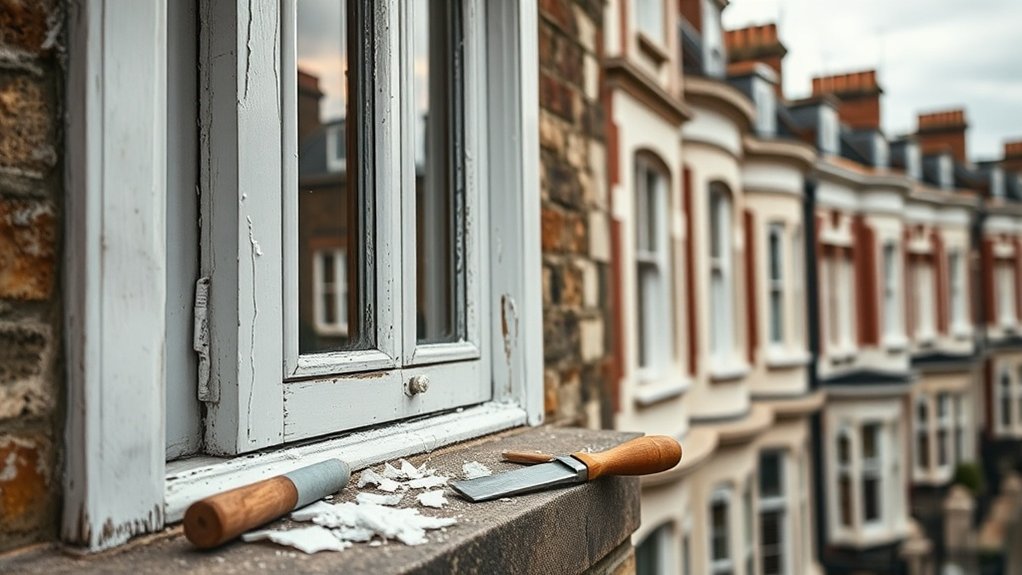
Many of Addlestone's Victorian and Edwardian homes still have their original timber sashes and casements. Keeping them working well calls for structural repair rather than a coat of filler and paint. The aim is to stabilise the timber, tighten the seal and improve performance while respecting any heritage constraints.
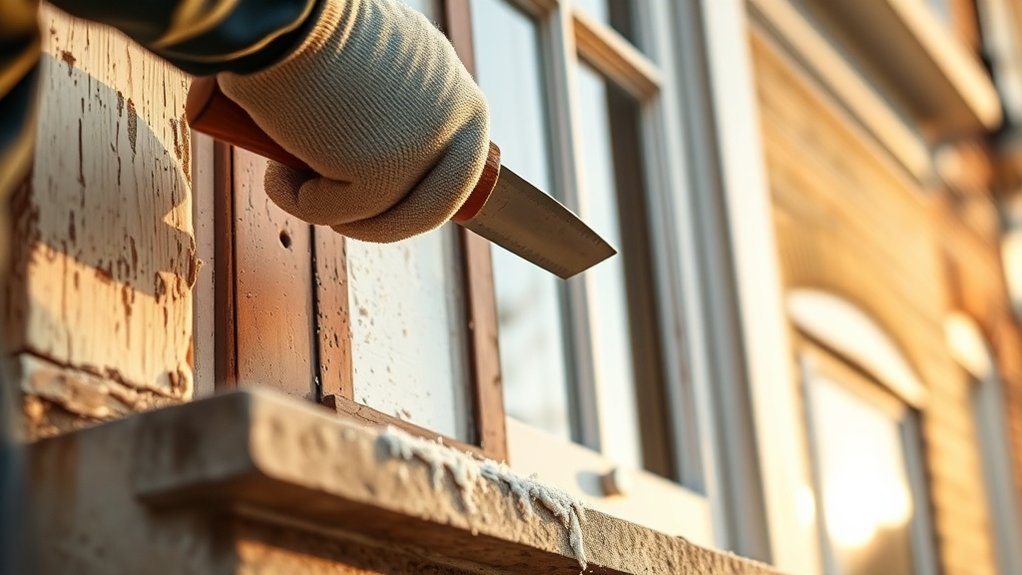
- Timber survey – We take moisture readings, probe suspect areas and check end grain to map decay, failed joints and paint breakdown without stripping sound material.
- Splice and resin repairs – Only the decayed sections are cut out and replaced with matched hardwood, with epoxy consolidants used to bond and strengthen the joint.
- Seals and hardware – Brush seals go into routed grooves, sashes are rehung, and new cords, weights and low-friction pulleys make the window run smoothly without draughts.
- Glazing upgrades – Original decorative glass is kept where possible, with slimline double glazing or secondary glazing added to improve warmth and cut noise.
UPVC Window Repair for Modern Addlestone, KT15 Homes
In newer Addlestone homes the usual uPVC faults are misted sealed units, bowed frames, stiff or dropped hinges and gaskets that have shrunk away from the corners. Once we have pinned down exactly where the draught, condensation or stiffness is coming from, the fix is usually targeted: a hinge realignment, a handle or gearbox swap, a gasket replacement or a new sealed unit in the existing frame. These focused repairs restore smooth operation and security, and they also bring back the thermal performance that keeps heating bills down.
Common UPVC Window Issues
uPVC frames suit modern Addlestone houses because they insulate well and need little looking after, but they still develop a predictable set of faults. Regular cleaning helps you catch them early, since dirt-free frames and glass show hairline cracks, seal gaps and distortion far more clearly in changing light.
- Stiff or dropped sashes – Friction stays and hinges wear or bend; the fix is adjusting the fixings, lubricating, or upgrading to heavy-duty hardware.
- Perished gaskets and seals – Hardened rubber lets in draughts and noise and is replaced with a compression-tested profile.
- Lock and handle faults – A worn espagnolette gearbox can sometimes be adjusted but often needs a full mechanism swap.
- Discoloured or micro-cracked frames – UV and pollution age the PVC; restorative polishing, localised resin repairs or clip-on trims recover both looks and performance.
Energy-Efficient Repair Solutions
A routine uPVC repair can be turned into a real thermal upgrade if every component is treated as part of an energy system. We check the frame for bowing, gaps and failed seals, then fit high-density compression gaskets and low-conductivity packers to reduce thermal bridging.
Where the glass is replaced, we specify low-E argon-filled double or triple glazing suited to the orientation and exposure of the elevation. Spacer bars are upgraded to warm-edge, and the perimeter is sealed with a sealant that bonds properly to uPVC.
Hinges and locking points are then adjusted so the sash compresses the gasket evenly all the way round, which stops the small draughts that add up over a winter. Trickle vents with adjustable airflow complete the job, giving you fresh air without throwing the heat away.
Draughty Windows and Insulation Upgrades
A faint draught around a frame is a sign that both insulation and airtightness are slipping, and in most cases it can be put right without replacing the window. We first trace the leakage paths around sashes, beads and meeting rails, then choose fixes that suit the window style and the existing glass so the upgrade blends in.
- Perimeter sealing – Compression weatherstrips, silicone or hybrid sealants and low-expansion foam close the gaps while leaving the sash free to move.
- Frame refurbishment – Warped timber is rebuilt, hinges adjusted and locking points reset so pressure on the seals is even.
- Secondary glazing – Slim internal frames create a still air layer that improves U-values without changing the outside of the building.
- Better sealed units – Where the rebate allows, higher-spec insulated units are fitted into the existing frame.
Condensation and Blown Double Glazing Fixes in Addlestone
Misting or a line of water trapped between two panes almost always means the edge seal has failed, the desiccant in the spacer is saturated or pressure changes have broken the unit. The decision is then whether a unit-only replacement in the existing frame makes more sense than a whole new window, which depends on frame condition, the glass spec you want and how easy the window is to reach. Alongside the repair, it pays to tackle the causes of condensation: better ventilation, trickle vents used properly and steady indoor humidity, so the new unit does not go the same way.
Causes Of Blown Units
A double-glazed unit mists up when the perimeter seal lets moist air into the cavity. The desiccant inside the spacer bar absorbs moisture for a while, but once it is saturated the condensation becomes permanent, and in Addlestone's damp climate that point arrives sooner than most people expect.
The main reasons seals fail are:
- Seal fatigue – Years of UV exposure and daily heating and cooling, made worse by films that add heat at the edge of the glass.
- Manufacturing faults – Weak adhesion at the edge seal, too little desiccant or contaminated spacer bars.
- Frame movement – Settlement, a distorted sash or badly placed packers putting stress where the glass meets the frame.
- Weather and pollution – Driven rain, grime and Addlestone, KT15's humidity all speed up sealant breakdown and gas loss.
Repair Versus Replacement
Once a unit has blown, the choice is between salvaging what is there and fitting new components. In Addlestone we look at three things: whether the frame is sound, how far the seal has failed and how the window needs to look. If a timber or metal frame in an older building is structurally fine, a replacement sealed unit on its own keeps the original sightlines.
A salvage repair drills small vents, dries out the cavity, adds desiccant and reseals. It clears the view but rarely brings back full insulation. A new sealed unit lets you move to warm-edge spacers, an argon fill and low-E coatings, and you can add easy-clean glass that sheds dirt. The trade-off is capital cost against clarity, efficiency and how long the fix will last.
Preventing Future Condensation
Dealing with a blown unit is only half the job; stopping the condensation coming back means managing both the moisture in the building and the thermal performance of the window. Glass, frame, seals and the surrounding wall act as one hygrothermal system. In a damp Addlestone home the priorities are controlled ventilation, airtightness and a sensible glazing spec, without losing the character of the window.
- Choose low-E, warm-edge double glazing and thermally broken frames so the inner glass surface stays warmer.
- Fit humidity-controlled trickle vents and mechanical extract to hold indoor humidity steady.
- Renew perimeter seals, tapes and airtight membranes to remove cold bridges and small leaks.
- Log temperature and humidity with cheap sensors to confirm the fix and fine-tune heating and ventilation habits.
Window Lock, Hinge and Security Repairs
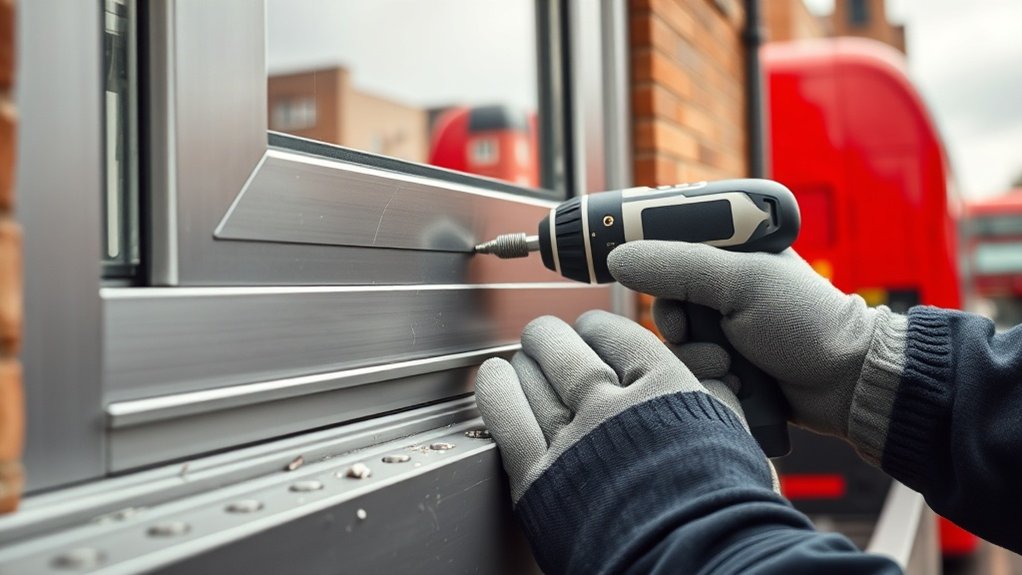
A failed lock, hinge or restrictor does more than make a window awkward to use; it undermines the security of the whole unit. The replacement hardware has to match the window type and material, whether that is slim aluminium, engineered timber or a modern uPVC composite.
We begin by testing the operating tolerances: hinge friction, sash alignment, how well each locking point engages and how much force the handle needs. From there we realign the frame, fit multi-point or espagnolette locks and specify security-rated hinges with anti-lift and anti-jemmy features. Upper floors and children's rooms can have restricted-opening stays and tamper-resistant fixings.
If you run a home-automation system, lock sensors can report whether each window is shut and locked, so you know the house is secure before you leave.
Emergency Window Repair After Break-Ins or Accidents
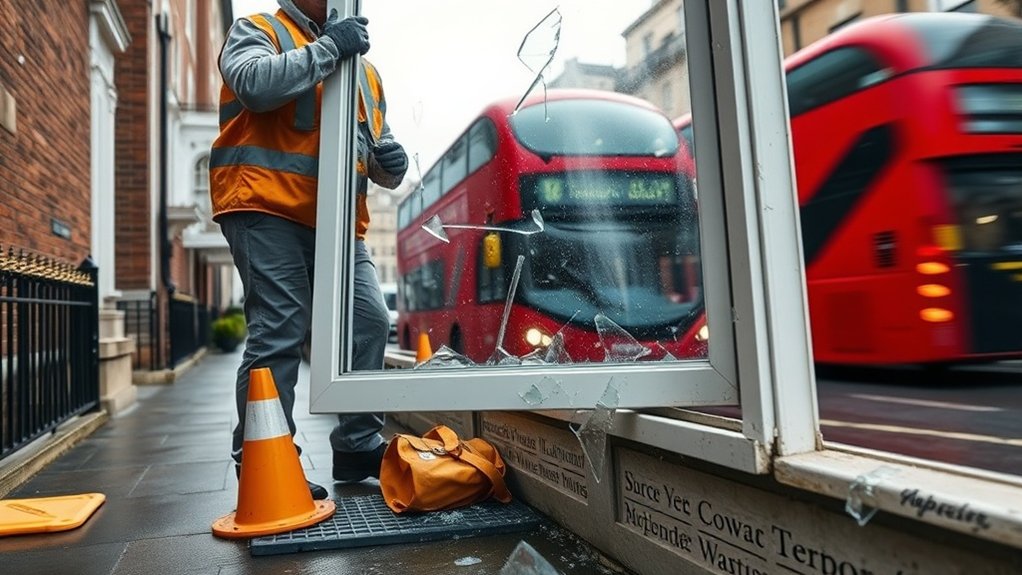
After a break-in or an accidental impact, the first job is to make the opening safe and keep people away from it. A glazier then fits properly measured, rigid temporary boarding that protects the frame and the surrounding wall. The last step is a prompt glass replacement to the correct specification, so the new unit restores security, insulation and compliance with the relevant British Standards.
Immediate Safety Measures
The minutes after a window is smashed matter. Treat the opening as a live hazard: sharp edges, wind blowing through and possible stress on an old frame. You are protecting people first, then the property, and on a listed building the historic fabric as well.
- Clear the area: Move people, pets and valuables away, and switch off nearby sockets if there is glass or water around them.
- Check the frame: Look for twisting, loose mullions or broken sash cords before anyone touches the debris.
- Handle glass carefully: Wear gloves and eye protection and push loose shards into a container with a stiff board rather than bare hands.
- Record the damage: Photograph the break pattern, frame joints and hardware for the insurer and for the glazier who will do the repair.
Temporary Boarding Solutions
With the scene safe and the damage recorded, the next task is a secure, weather-tight barrier. We normally use exterior-grade plywood cut 10 to 15 mm larger than the opening so it overlaps the frame, fixed into the structural reveals rather than the damaged sash. Anti-tamper fixings and compressible seals or a silicone bead keep out draughts and rain.
In a period property the boarding must not damage original fabric. Fixings go into sacrificial timber, never into mouldings, and every intervention is noted. Where the street-facing look matters, a printed film on the outer face of the board can echo glazing bars or stained glass so the house still looks cared for while security and weather protection are restored.
Fast Glass Replacement
Once a pane is smashed, you need an accurate replacement that restores security without reducing the window's performance or falling foul of UK standards. A wrongly measured unit, thermally poor glass or a badly sealed frame will only cause trouble later.
- Quick assessment: We confirm the frame, rebates and hardware are sound, then specify toughened, laminated, acoustic or low-E glass to exact tolerances.
- Compliant glass: Replacement units meet BS EN 12600 and BS 6206 for safety glazing in critical locations, with U-values suited to the frame, so insurers accept the repair.
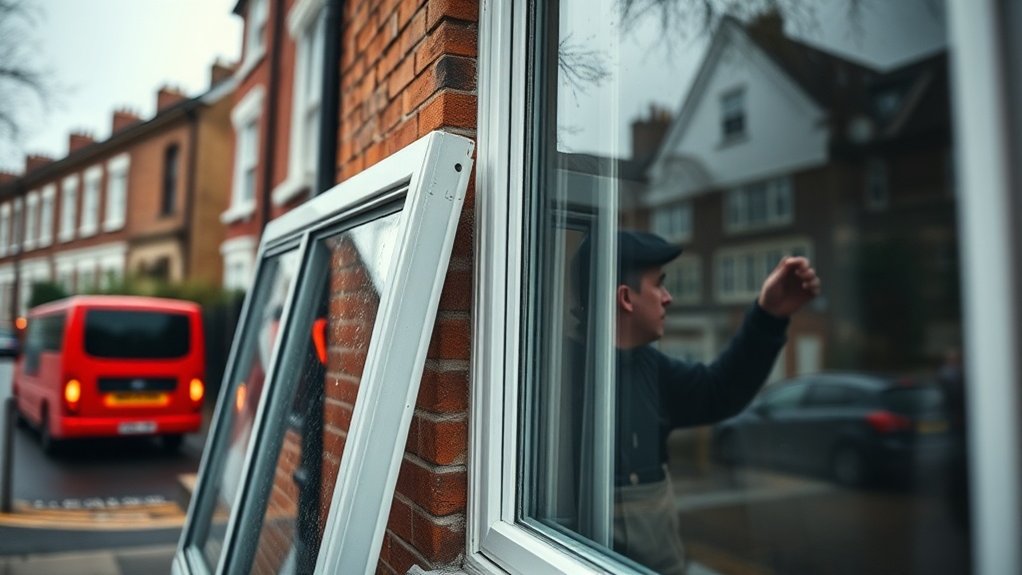
- On-site fitting and sealing: Our vans carry the tools to cut, edge and fit glass, apply structural or silicone seals and refit gaskets so the window is airtight again.
- Optional upgrades: Solar or privacy films and decorative glass can be added at the same time for branding, softer daylight or a better-looking façade.
What to Expect From Addlestone Window Repair Pros
A professional window repair service in Addlestone is diagnosis-led. It starts with a thorough on-site survey of frames, glass, seals and hardware, measuring heat loss, noise leakage and air infiltration and mapping defects such as rot, corrosion and blown units.
You should then receive clear, practical recommendations that balance performance with heritage where that applies. On period properties that often means slimline double glazing, traditional putty and discreet draught-proofing. On modern homes it might be low-E glass or a solar film to control glare, heat and privacy.
The work should be sequenced sensibly: stabilise the frame, get the sashes or hinges working, then fit new or refurbished glazing, finishing with checks that the window is airtight and structurally sound for the long term.
How to Choose a Addlestone, KT15 Window Repair Company
Choosing a window repair company in Addlestone starts well before anyone picks up a tool. You want evidence that the firm can actually deliver the diagnosis-led, performance-focused service described above. You are buying system-level thinking about thermal efficiency, acoustics, security and appearance, not a quick patch.
- Technical skill – Look for trained glaziers rather than fitters alone, and ask how they test for air leakage, moisture ingress and frame movement.
- Range of systems – Confirm experience with timber, aluminium, uPVC and composite windows, plus extras like films and decorative finishes.
- Evidence-based quotes – Expect a condition report with photographs, estimated U-values and lifecycle costs.
- Aftercare – Check for written guarantees, follow-up inspections and a record of every piece of work done.
Window Repair Rules for Conservation and Listed Homes
Thermal efficiency and airtightness still matter in Addlestone's conservation areas and listed buildings, but planning law and heritage policy come first. Every intervention should be reversible, minimal and recorded. On most listed homes, Listed Building Consent is needed for anything beyond like-for-like repair, which can include slimline double glazing, changed glazing bars or new ironmongery.
You will need to show that the work preserves historic character while improving performance. That means specifying timber species, putty type, glass thickness and moulding profiles to match the existing sightlines. Where the primary frames cannot change, brush seals, discreet vents or secondary glazing do the work. Talk to the conservation officer early and supply scaled drawings, sections and material datasheets, and the upgrade can go ahead with full approval.
DIY Window Fixes Addlestone Residents Can Do Safely
Several low-risk window jobs in a Addlestone home can be done without specialist tools, as long as you stay within what is safe and legal. Stick to tasks that avoid glass replacement, structural timber and taking frames out.
-
Draught reduction – Fit self-adhesive weatherstrip to frames and sashes. Measure the gap first and buy a compressible seal of the right thickness so the sash still closes.
-
Hardware swaps – Replace worn handles, sash cords and friction stays, using stainless or coated fixings that will not corrode in Addlestone, KT15's damp air.
-
Sealant renewal – Rake out failed external mastic and reseal with a paintable hybrid sealant that stays flexible.
-
Careful cleaning – Wash glass, gaskets and tracks with non-abrasive products to restore clarity, stop sashes sticking and let you see whether seals are still intact.
Simple Maintenance to Help Your Windows Last Longer
A little scheduled maintenance in your Addlestone home slows the wear that usually finishes windows off early. Start with cleaning: a pH-neutral solution, microfibre cloths and deionised water avoid the mineral spotting that degrades seals and glass coatings.
Every quarter, check frames for hairline cracks, failed sealant and the first signs of rot, and close any gaps with a low-modulus exterior silicone. Lubricate hinges, espagnolette locks and friction stays with a PTFE or silicone spray rather than oil, which attracts dirt. Keep drainage slots and weep holes clear so water cannot pool against timber or corrode aluminium.
Once a year, inspect the gaskets and replace any that are flattened or brittle before they let the weather in.
Related work we take on includes aluminium window repair and blown double glazing repair.
Frequently Asked Questions
Do Addlestone Window Repair Companies Offer Warranties and What Do They Typically Cover?
Most reputable firms do. A typical repair warranty covers replacement glass, new hardware, seal integrity and workmanship, with terms anywhere from one to ten years depending on the component. Exclusions usually include misuse, impact damage and structural movement of the building. Before you sign, check whether misting of double glazing, draughts and frame alignment are included, ask for the terms in writing, confirm how quickly they respond to a claim and find out whether the guarantee transfers to a new owner if you sell.
Can Window Repairs in Addlestone Improve Soundproofing From Traffic and City Noise?
Yes, and often noticeably. Repairing failed seals and upgrading to double glazing improves acoustic insulation and gives a measurable drop in noise. Laminated acoustic glass, a wider cavity between panes and secondary glazing with a large air gap all help further, and well-fitted frames remove the vibration paths that carry sound. Decide on the noise reduction you want, check the Rw rating of the glass you are offered, and make sure the installer uses quality sealants and gaskets, because even the best glass is let down by a leaky perimeter.
Are Eco-Friendly or Recycled Materials Available for Addlestone Window Repairs?
They are. Recycled glass content, FSC-certified timber for sash and frame repairs, low-carbon aluminium and recycled uPVC profiles are all available from UK suppliers. Warm-edge spacers and argon or krypton fills reduce the energy the window loses over its life, which is usually the biggest environmental saving. Ask for low-VOC sealants and paints, and trickle vents that keep the window airtight when closed. Make sure the work still meets the relevant BS and EN standards so the sustainable option performs and lasts as well as the conventional one.
How Can I Verify a Addlestone, KT15 Window Repairer’s Insurance and Professional Accreditations?
Ask for documents, not reassurance. For insurance, request current public liability and employers' liability certificates and check the policy number with the insurer. For accreditations, confirm membership of FENSA, Certass or the GGF through the schemes' own online registers rather than relying on a logo on a van. Look at the scope of the certification, its expiry date and any complaints history, and make sure it covers the kind of work you are planning, such as energy-rated replacement units or any structural alteration to the opening.
Can Addlestone Window Repairs Be Scheduled Outside Normal Working Hours to Suit My Timetable?
Yes. Many firms, including ours, work beyond the usual nine to five, with 24-hour emergency call-out for break-ins and storm damage and planned evening and weekend slots for routine repairs. Tell us the time windows that suit you and we will plan technician routes, sealant curing times and any noise restrictions around them. It is reasonable to ask for a confirmed arrival slot, a text or email confirmation and the option to reschedule if your plans change, so the repair fits your diary rather than the other way round.
Summary
Knowing what window repair in Addlestone involves helps you catch faults early, keep costs under control and protect the performance of your home. From misted units to rotten sashes, you now have a basis for deciding between repair and replacement and for navigating the rules on listed and conservation properties. Pair simple maintenance with a qualified glazier and your windows will last longer, seal tighter and lose less heat. Call us for a free, no-obligation quote. Whatever the job, the Addlestone glaziers on our team arrive with the stock and tools to finish in one visit wherever possible.