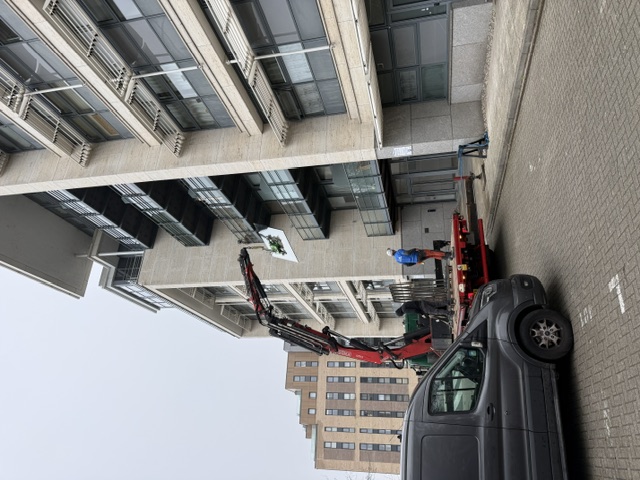

If traffic, trains or aircraft keep you awake in Addlestone, acoustic glass deals with the problem at the window itself. A laminated unit with an acoustic interlayer can take a bedroom from constant rumble to a level where most people sleep without noticing the road. Well specified units reach around Rw 40 to 45 dB once sealed properly and tested to EN ISO 10140 and 717-1. Below we explain how the glass works, what reduction to expect, what it costs in Addlestone, and the installation mistakes to avoid.
Key insights
- Acoustic glass in Addlestone usually adds 5 to 10 dB of reduction over ordinary double glazing, which most people hear as traffic noise dropping by a third to a half.
- Beside busy roads or under flight paths, aim for laminated units around Rw 40 to 45 dB (Rw+Ctr in the mid 40s) to get bedrooms near the 30 dB LAeq,8h target.
- Budget roughly £350 to £800 or more per window fitted in Addlestone, with premium Rw 43 to 47 dB laminates at the top of that range.
- In older Addlestone, KT15 houses, slim acoustic laminates or secondary glazing with a 100 to 200 mm cavity achieve 38 to 45 dB Rw without losing the look of a timber sash.
The Most Common Noise Problems in Addlestone Homes
Most of the noise complaints we deal with across Addlestone come from five sources: road traffic, rail and underground lines, aircraft, building sites and neighbours. Road traffic is the big one; on main routes we regularly measure 60 to 75 dB LAeq outside a window. Trains add a low-frequency thump and aircraft produce short peaks past 80 dB. Neighbour noise is either footsteps (impact sound) or voices and televisions (airborne sound), which Approved Document E was written to control. A standard 4-16-4 unit handles none of these well.
How Acoustic Glass Actually Works
Sound passes through a window via the glass, the air gap, and the joints between glass, frame and wall. Acoustic glass deals with the first two by changing the physics of the pane rather than simply making it heavier. Two panes of different thickness resonate at different frequencies, so neither leaves a gap in the performance. Between the layers sits an acoustic PVB interlayer, a soft film that turns vibration into a tiny amount of heat instead of passing it into the room, most effectively across the 125 to 2,000 Hz band where traffic and rail noise sit.
The cavity width and gas fill are then chosen so the unit does not resonate at a frequency matching the road outside. None of this helps if air can get round the glass, so gaskets and frame seals get the same care. An acoustic unit is a permanent part of the building envelope with figures traced back to BS EN ISO 10140 laboratory tests.
How Much Noise Reduction You Can Really Expect
A laminated acoustic unit supplied in Addlestone usually carries a rating between 35 and 50 dB Rw, with the heaviest build-ups reaching the mid 50s under test to BS EN ISO 10140 and rated to BS EN ISO 717-1. Rw is a single-number summary across all frequencies, which is why the Ctr correction matters next to traffic.
In a real house the installed figure is typically 3 to 8 dB lower than the lab number, because the frame, the seals and sound through the surrounding wall all contribute. Even so, a good installation cuts the noise you hear by half to three quarters. The hardest noise to stop is the low rumble of buses, lorries and trains, so for those sites we lean on thicker laminates, uneven pane thicknesses and carefully chosen ventilation.
Acoustic Glass vs Standard Double Glazing
Choosing between a standard unit and an acoustic one comes down to the extra sound insulation you gain, measured as Rw and Rw+Ctr, set against the thermal figures and the price. The two goals rarely fight each other: a laminated acoustic unit with a low-E coating meets the Part L limit for replacement windows without difficulty. The extra cost comes from the glass, sometimes a heavier frame or spacer, and occasionally the practical limits of fitting thicker units into the older housing stock around Addlestone, KT15.
Noise Reduction Performance
Ordinary double glazing in a Addlestone home typically tests at Rw 30 to 34 dB. A high-performance acoustic laminate reaches Rw 40 to 45 dB, and the Rw+Ctr figure, which weights the low frequencies traffic produces, is the one to ask for on a bus route. A gap of 5 to 10 dB is roughly the difference between hearing every passing car and only the occasional heavy lorry. Those numbers come from asymmetric lamination, for example a 6.8 mm acoustic laminate paired with a 4 mm or 6 mm pane.
Thermal And Energy Efficiency
Acoustic glass does not mean giving up warmth. The same unit can carry a low-E coating, warm-edge spacers and an argon or krypton fill, so whole-window U-values at or below 1.1 W/m²K sit alongside the acoustic rating. The g-value usually falls between 0.40 and 0.55 depending on the coating, comfortably inside Part L.
Cost And Installation Factors
Acoustic glass usually costs 20 to 40 per cent more than standard double glazing for the glazed unit. The fairer way to judge it is cost per decibel over the life of the window, since the improved Rw rating and compliance with BS 8233:2014 internal noise guidance come with it. When you compare quotes, ask for Rw and Ctr test figures rather than brochure names like "traffic glass", check the frame and gaskets quoted carry their own acoustic data, and allow for scaffolding and parking restrictions on a busy Addlestone, KT15 high street.
Where Acoustic Glass Works Best in Addlestone Homes
The biggest difference is felt in bedrooms that look onto a main road. Peak-hour readings at a street-facing window can hit 60 to 70 dB(A), and a high-specification laminated unit can bring the internal level down by 10 to 15 dB, often enough to reach the WHO guideline of below 30 dB(A) for undisturbed sleep. People working from home benefit almost as much.
Bedrooms Facing Busy Streets
For a street-facing bedroom in Addlestone the aim is to get the inside night-time level close to the 30 dB LAeq,8h figure used in UK design guidance, even when the outside level is well above the WHO night-time recommendation of 40 dB Lnight. Laminated units with an acoustic interlayer achieve Rw+Ctr figures in the mid 40s, which is what you need against buses and HGVs. We check where sound is getting round the window before specifying the glass, choose uneven pane thicknesses, plan ventilation so you do not have to open the window at night, and have the finished window tested on site.
Home Offices And Studios
For an office or studio in a noisy part of Addlestone we would specify a laminated acoustic unit rated at 40 dB Rw or better, and where the budget allows an Rw+Ctr of 35 dB or more to cover traffic and rail frequencies. The frame needs compression seals that close tightly on every side, because a leaking gasket can lose you 5 to 10 dB before the glass gets a chance. With room treatment as well you should hold a background level in the 35 to 40 dB LAeq range that BS 8233:2014 suggests for living spaces.
Acoustic Glass for Period and Sash Windows
Victorian and Edwardian terraces across Addlestone have sash windows worth keeping, and acoustic glass can be fitted without losing the slim glazing bars, the proportions or the putty line. Using asymmetric laminated build-ups in slim units and refurbished seals we normally achieve 38 to 45 dB Rw, a huge improvement on single glazing. The draught-proofing fitted at the same time improves airtightness and supports Approved Document E expectations for conversions, without replacing the window with uPVC.
- Slim acoustic units fit the existing rebates, so sashes keep their weights and cords without rebalancing or a new frame.
- Traditional putty or heritage glazing compound keeps the original appearance from the street.
- The interlayer is chosen for low-frequency road and rail noise.
- Internal LAeq and Lden figures in listed houses fall to levels conservation officers accept.
How to Choose the Right Acoustic Glazing Spec
A good specification in Addlestone begins with numbers. We measure or estimate the noise outside the window, usually 65 to 80 dB LAeq on a busy route, decide the internal level you want in each room using BS 8233:2014, and from those figures work out the Rw+Ctr the window needs. The glass is then built to that target: pane thicknesses, which side the laminate sits, and the cavity width, all confirmed against manufacturers' EN ISO 10140 and 717-1 test reports. Frame and seals are specified with their own figures rather than assumed.
What Acoustic Glass Costs in Addlestone
Quotes for acoustic glass in Addlestone are usually priced per square metre of glass plus a fitting charge per opening. The glass price moves with pane thickness, interlayer grade and the tested Rw of the unit; the fitting price moves with frame type, access and making good. Any quote should state the glass build-up, the acoustic test data, the warranty period and how the window will be sealed.
Typical Price Ranges
As a rough guide, laminated acoustic units in Addlestone cost around £120 to £250 or more per square metre for the glass alone, with total installed prices for a typical window between £350 and £800 depending on spec and site. That buys tested acoustic performance and a unit that still matches the rest of your glazing.
- Basic laminated acoustic units: around £120 to £160 per m²
- Mid-range units rated Rw 38 to 42 dB: around £160 to £220 per m²
- Top-end units rated Rw 43 to 47 dB: around £220 to £300 or more per m²
- Retrofit fitting cost on top of the glass: around £180 to £400 per opening
Factors Affecting Cost
The first is the tested performance you are buying: the Rw rating, the Ctr and C corrections, and whether the unit must satisfy BS 8233, Approved Document O or a noise condition attached to a planning permission. Higher sound insulation means thicker laminates, uneven panes and wider cavities, all of which cost more. Toughened panes, UV-stable interlayers and low-iron glass add to the bill, as do curved heads, oversized panes and particular spacer bars, gas fills and frame systems.
When Acoustic Glass Isn’t Enough: Extra Window Soundproofing Options
Some Addlestone properties still fall short of the required DnT,w + Ctr figure even with top-end laminates, because the wall, frame, vents and junctions around the glass are carrying the sound. The most effective addition is secondary glazing, a separate internal pane set 100 to 200 mm behind the main window. The deep cavity creates a mass-air-mass system that typically adds 10 to 15 dB Rw to the outer unit. Acoustic trickle vents tested to EN 20140 and EN 14351-1 keep ventilation without a hole in the performance, and compression gaskets close the remaining leaks. An on-site DnT,w test to BS EN ISO 16283 at the end confirms the design intent has been met.
See our main specialist glass page for the full range of options in Addlestone. Related work we take on includes anti-bandit glass and uv protective glass.
Frequently Asked Questions
Can Acoustic Glass Help With Neighbour Noise From Above or Below My Flat?
Only partly. Acoustic glass stops airborne noise coming in through the window, so if a neighbour's television or music reaches you via their open window or a light well, better glazing will help. It does nothing for footsteps, dragged chairs or washing machines, because those travel through the floor structure as impact sound. For that you need floor treatment or ceiling isolation under Approved Document E. We will visit your flat in Addlestone and tell you plainly which route will work.
Will Acoustic Glass Change the Appearance or Light Levels in My Rooms?
Very little, provided the unit is specified with care. The laminated pane is clear and modern interlayers are colour neutral, so from inside the window looks the same as standard double glazing. We match the spacer bar colour and unit thickness to your existing glazing. Light transmission measured to EN 410 generally stays above 80 to 85 per cent, a few points below a plain 4-16-4 unit, and the difference is not visible once the window is in.
Can Acoustic Glass Be Combined With Window Ventilation Trickle Vents Effectively?
Yes, as long as the vent is treated as a designed weak point rather than an afterthought. Standard trickle vents are a hole in the frame and leak sound. Acoustic trickle vents use a baffled path that lets air through while keeping sound out, with tested Dn,e,w values around 40 to 45 dB. We fit them with airtight membranes and acoustic sealant so the window still meets Approved Document F and BS EN 14351-1 ventilation requirements.
Is Acoustic Glass Suitable for Listed Buildings With Strict Conservation Requirements?
Usually, provided you can show the conservation officer that the character of the window is preserved. That means a heritage impact assessment, U-value and decibel figures for the proposed unit, and drawings comparing sightlines with the originals. Slim laminated units, low-iron glass and putty-fronted glazing match old glass closely. We suggest fitting one window as a sample so the officer can approve it before the rest of the house is done.
Summary
Acoustic glass turns a noisy Addlestone, KT15 street into a background murmur, provided the glass, the frame and the installation are all specified to the same standard. With tested Rw and Rw+Ctr figures, a U-value that satisfies Part L and seals that keep the lab performance in the real building, you get a result you can measure. Call us for a free survey and quote and we will measure the noise at your windows and recommend a specification.